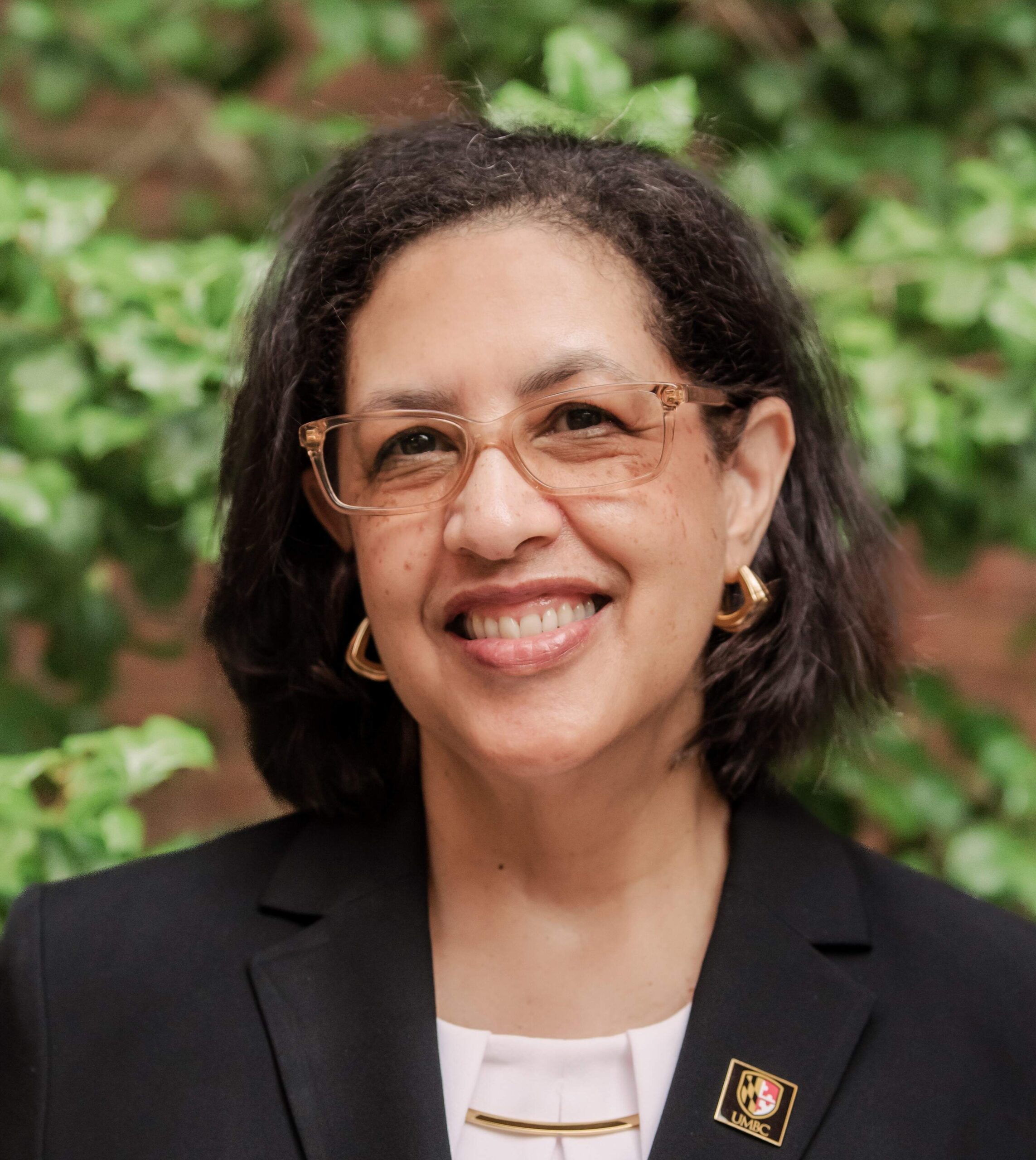
The inaugural Janet C. Rutledge Graduate Student Well-Being Award will be announced at the GSA Awards Ceremony in May 2026.
A selected proposal will be awarded annually to a faculty or staff member, or partnership, that supports sustainable graduate student well-being efforts through one of the areas (detailed below) identified by the Graduate School. The proposal will receive up to $3,500 for programming costs and/or stipend.
Proposal Submissions
Each proposal should include:
- a two to five page narrative, including scope of the project and intended audiences,
- a budget with rationale, and
- references, demonstrating that the proposal is guided by related research.
Priority will go to projects that have potential to have impact beyond the period of the award. The budget can be any mix of stipend and activities, as justified by project proposal.
Timeline
- Dec 17: Call for Proposals
- Feb 27: Deadline for Submissions
- April 1: Selected Proposal Notified
- April 10: Recipient receives recognition at GSA Awards Ceremony
Selection Committee
Yarazeth Medina (Assistant Director of Graduate Student Development & Postdoctoral Affairs)
Jennifer Artis (Senior Director of Student Belonging)
Ahmet Kaan Aydin (Vice President of the GSA)
Members of the selection committee are not able to submit a proposal for consideration
Areas of Graduate Student Well-Being
Proposals should address one (or more) of the five areas but are not limited to the examples given.
Sense of Purpose
- Help students develop/identify/nurture their sense of purpose and their confidence that they will be successful in achieving that purpose.
- Support an understanding of career pathways such as through recommendations in national reports and examples of alumni.
Financial Security
- Develop and strengthen multi-year funding of graduate assistantships, including clear policies for annual renewal.
- Promote an understanding of financial literacy so that students can make good decisions using resources such as GradSense.
Sense of Belonging
- Develop programming that meets the four elements of Psychological Sense of Community*
- Membership – clear boundaries and emotional safety
- Influence – both individual impact on the group and the group’s effect on its members
- Integration and fulfillment of needs – receiving benefits from community engagement
- Shared emotional connection – built via history, experiences, and investment in the group
- Develop programming that provides “Third Spaces” for students:
Third spaces are informal, restorative settings outside of formal academic structures where students engage authentically with peers and mentors (O’Meara, 2019). Third spaces incorporate elements of home (first space), where a person is nurtured and cared for, with work/school (second space) where people understand shared professional goals and experiences.
Relationships with Faculty Mentors
- Encourage faculty to participate in COMPASS workshops and develop reinforcing activities in the department.
- Encourage faculty to establish written shared communication/expectation agreements with their thesis/dissertation mentees (see example on COMPASS website).
- Encourage faculty to adopt the principles in the Council of Graduate Schools (CGS) Healthy Research Teams and Labs initiative.
- Establish a formal process for students to change research mentors that is facilitated by the department.
- Ensure that faculty mentors have read and are following the GA handbook and other policies related to graduate student advising and mentoring.
Ensure That Academic Structures Are Student Centered
- Create and update a program handbook that has clear policies for progressing through the program, and ensure that faculty and graduate students understand policies and expectations.
- Establish a department-wide process for faculty to set clear expectations for Satisfactory (S) grade for thesis and dissertation progress each semester for each student.
- Establish systems to track student progression through program milestones and make the information available to students and their faculty mentors.
* McMillan and Chavis (1986) Sense of community: A definition and theory
Additional Resources:
- Council of Graduate Schools (CGS) mentoring resources for faculty, students and academic leadership
- CGS report on Graduate Student Mental Health and Well-being
- CGS Career Pathways projects
- CGS Publications Library – please contact ____ in the Graduate School to access publications that require member login
- NSF Innovations in Graduate Education Hub – learn about projects at universities across the country